Her Story About Voting and Hope
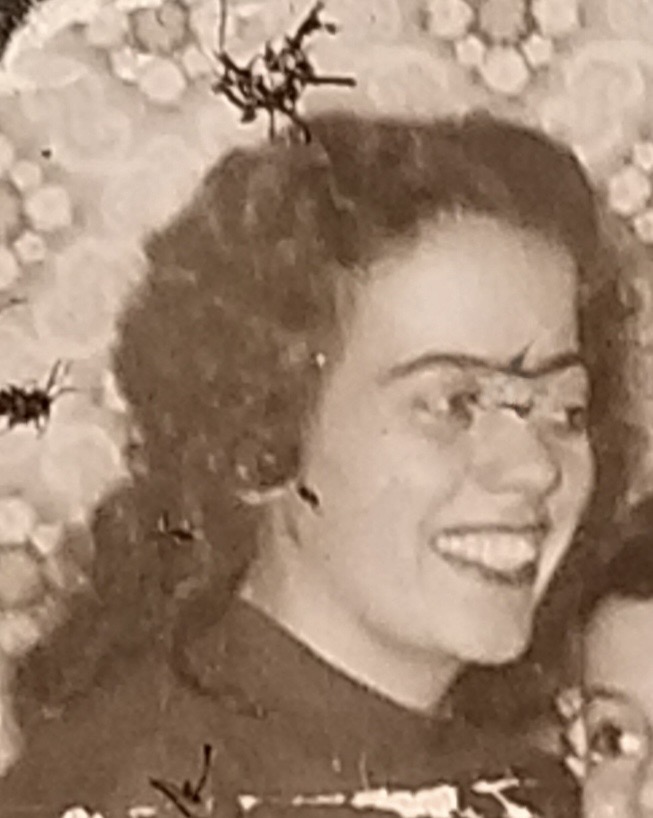
Dear Mom,
I want to preserve your stories. The stories you told of how you grew up in the poverty of West Virginia during the Great Depression. I want your granddaughter to know them, to absorb the wisdom they contain.
Since it is near a pivotal mid-term election, I am reminded of your story about importance of voting. I heard you tell this story so many times I memorized your words, and so I will let your words tell the story—
“It was early November. Don’t remember the date or day. I was about nine years old when it happened. Back up in the mountains, in the hollers*, people would to cook food for a family where someone was ill or if the woman had just had a baby, and the kids, like around my age then, we’d deliver it.
It was my mother’s turn to make a food bundle for a neighbor family in the holler. The woman had just given birth a little while ago but was suffering with sickness after. So that afternoon, my mother sent me up there with a pot and a bundle of food for the family. I had no trouble going down the road to deliver the food. But it seemed such a long way. It was already twilight by the time I got there to deliver the food.
So, on the way back, I decided going through the woods would be quicker. But I’d never been through the woods. I ended up getting all turned around and couldn’t find my way back to the road. By that time, it was pitch dark. I was so scared. I heard something that sounded like a big animal, a bear or something, so I climbed up a tree where I thought it would be safe. It was damn cold that night too.
I was scared. I was cold. I knew my mother was going to be pissed off. Early in the morning, it must have been just as it was getting light, I heard all these people calling for me. I could hear my father above all of the others. I shimmied down that tree so happy to be found. I yelled out. My father was the first to reach me. He scooped me up. My mother, she was lightening mad. She was rambling on about teaching me a lesson about not running off like that. She took out her little knife she always had in her apron pocket and cut a switch off a tree. She grabbed me from my father and said I needed a good whippin’. Now, my father, he usually let my mother do the disciplinin’ of us kids because he was always working in the mines or traveling to find work in other mines or farms. But not that day. He swept me up and grabbed my mother’s wrist as she started to drawback, and he said, ‘Renie, ain’t nobody gonna whip any of my kids today! Nobody! Even you, their Mama. Franklin Delano Roosevelt was elected our president yesterday, so today we’re gonna celebrate that because we got somethin’ to hope for.’ My mother dropped her switch and kept her head down as my father carried me home. The rest of the people took off to their homes.
And we did. We had hope. Took time but things started to get better little by little.”
Then we would watch the Watergate hearings and you would throw your house slipper at the 13-inch black and white television sitting on the kitchen buffet, ranting about how you couldn’t understand why people would vote for a crook like Nixon especially when Marylanders knew Agnew was a damn crook from the start and birds of a feather and all.
Your rant always ended with “that’s why you vote. Keep the crooks out. Get good people in who care about us. Not these guys who wanna line their pockets.” By then you may have knocked back a six pack, but there is no denying that you were right, Mom. You were absolutely right.
*holler- hollow, I know. But my mother and aunt always said holler so I use her words as this is her story.