I hold a handful of pomegranate seeds— I think of you all I know and do not know--
A bushel of grapefruits arrive at the front door. The next day, a bushel of oranges followed by a bushel of pomegranates, like tribute foretelling the arrival of some dignitary or prince. Every summer, the bushels foreshadowed your visits-- The grapefruits and oranges for my mother, who loved all citrus, a luxury she didn’t have growing up in West Virginia. The pomegranates for me-- You knew I loved them. Why did the bushels and the visits stop after the summer I turned six?
These seeds I hold, ready to throw into today’s salad, are too few—
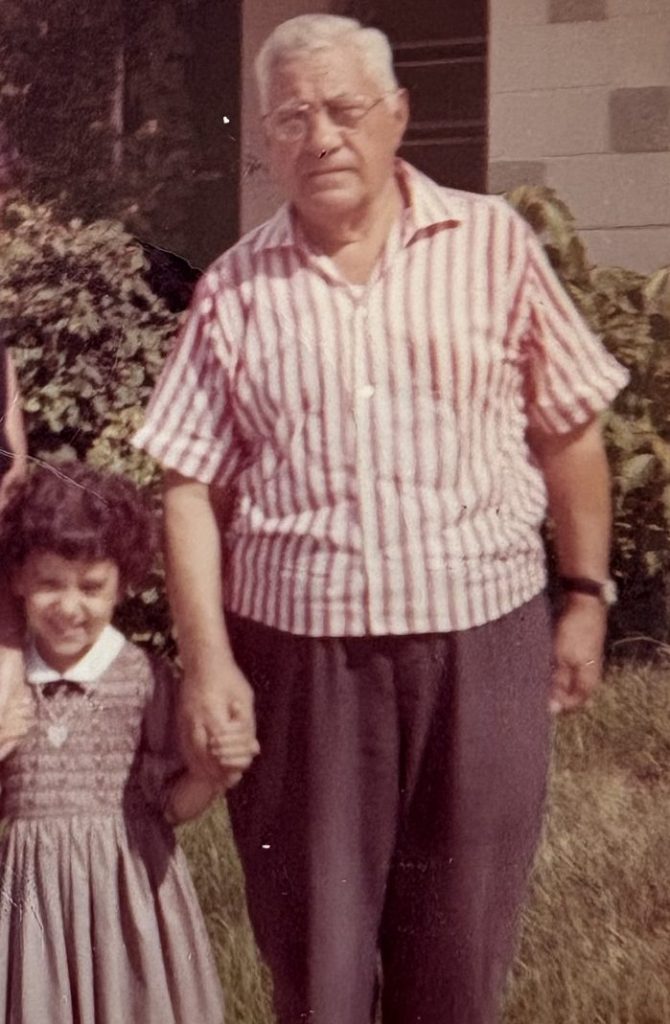
I remember you— showing me how to open a pomegranate; teaching me to count in Greek; moving a stepstool to the counter so I could climb and see how to make Greek yogurt from scratch, when you saw my nose wrinkle at the smell, telling me, “You will like it because you Greek,” your accent as thick and heavy as the clabbered milk in the yogurt glasses.
The last summer you came to visit— A train ride to Florida to stay the whole summer with you and Aunt Mae. I wanted the top bunk in the train car. You tucked me into the lower one saying, “You fall here. No hurt. You fall from up there, you hurt,” before hefting yourself into the top bunk. You said you’d teach me to swim. “Everybody in Greece swim. I teach you. You learn easy because—” you paused, waiting-- for my six-year-old excitement to finish, “I’m Greek!” You tousled my hair then loaded our things in the car.
Everything to be tried, to be learned, to be shown required our liturgical call and response: you would start, “You will like because—" and I would finish, “I’m Greek.”
Teaching me to swim didn’t work out too well— You told me to move my arms and legs fast, then threw me into the ocean. Each time I flailed and sank. Each time you pulled me up, “You okay. You learn.” The third or fourth throw, You pulled me up And said, “Enough today. But you learn because—” And despite my fearful sobbing, I finished, “I’m Greek,” as I wrapped my arms around your neck. We did not have time. I never learned.
Sirens, red lights, dark outside, Aunt Mae crying. The hospital cold, noisy. Mae on the phone. Mommy coming on the train.
You lived. Came home. Peeled me a pomegranate.
Mom and I left on the train. The last time I saw you, Uncle Pete, though you did not die until three months after my high school graduation, an obituary found on the internet tells me so. But the bushels, the visits, the phone calls stopped the summer I turned six. I never knew why. I will never know now.
Fifty-nine years after that summer with you, I stand holding a handful of pomegranate seeds, shining their ruby glow. Decades since last I split open a pomegranate. Too easy to buy in plastic tubs now. I need to finish this salad.
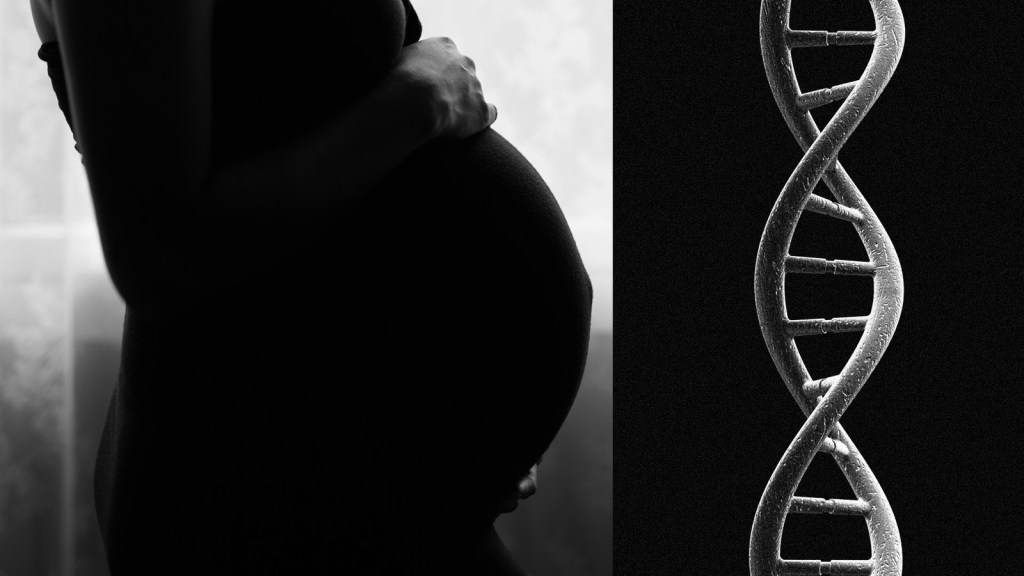
But I am stilled in the moment— The truth I now know— sleuthing through scraps of internet information after a DNA test-- What neither of us may have known that one summer, We were/ are father and daughter.
(I originally wrote this several years ago, and it was published in my book, “The Gift of Mercy.” I’m drafting a second part to this piece and decided to reblog this as a starter.)
I entered life, an accidental tourist.
My mother’s body served an eviction notice,
but I ignored it and burrowed deeper
into placental warmth.
My twin, however, weaker,
entered the world a clotted, bloody,
gelatinous mess on the white tile
of a bathroom floor.
The doctor told the man,
who wasn’t really my father
but thought himself to be,
there was still a heartbeat,
still a baby left.
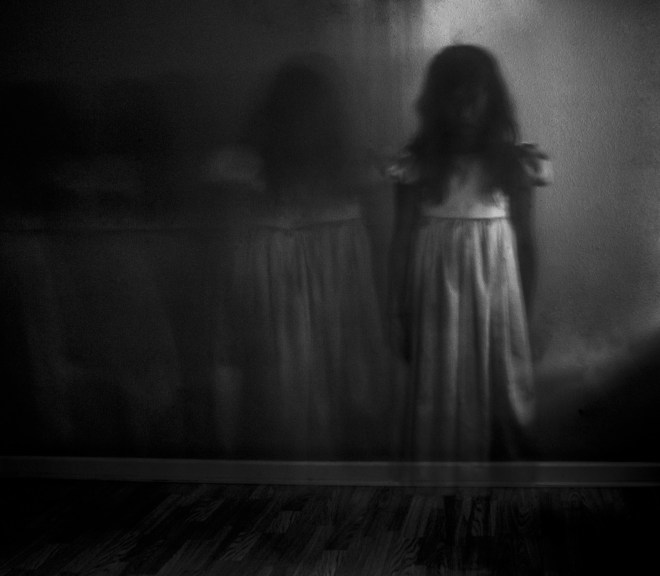
I felt the absence of my twin,
the lack of another’s heart
beating a rhythm to match my own,
racing toward emergence, light, life, breath.
A ghost like memory I carried with me
always— even when I, who survived
by claiming squatter’s right
to my mother’s uterus
as it tried to evict me
and who had never been told
of my twin’s existence, would
turn in childhood play and talk
to my twin sister.
My mother asking to whom I talked
and I answering in innocence—my twin sister.
Now, I recognize my mother’s twisting face
of guilt as she turned from my childhood answer:
the long walk from the restaurant’s apartment
to the stores on Broadway to buy school
supplies; the washing down of the restaurant
walls over and over again; the bed rest the doctor
said she needed when she was spotting, her body
threatening to throw out the babies she carried, ignored—
Times of shattered glass
herald the approaching dark
Crone of a world war.

At night, soldiers come
children cry out, glass shards of fear
crushed into their skin

If we do nothing--
slaves we become, breathing out
blood drops of a dream,
emptied of promise
held within springtime blossoms
of “a more perfect union”
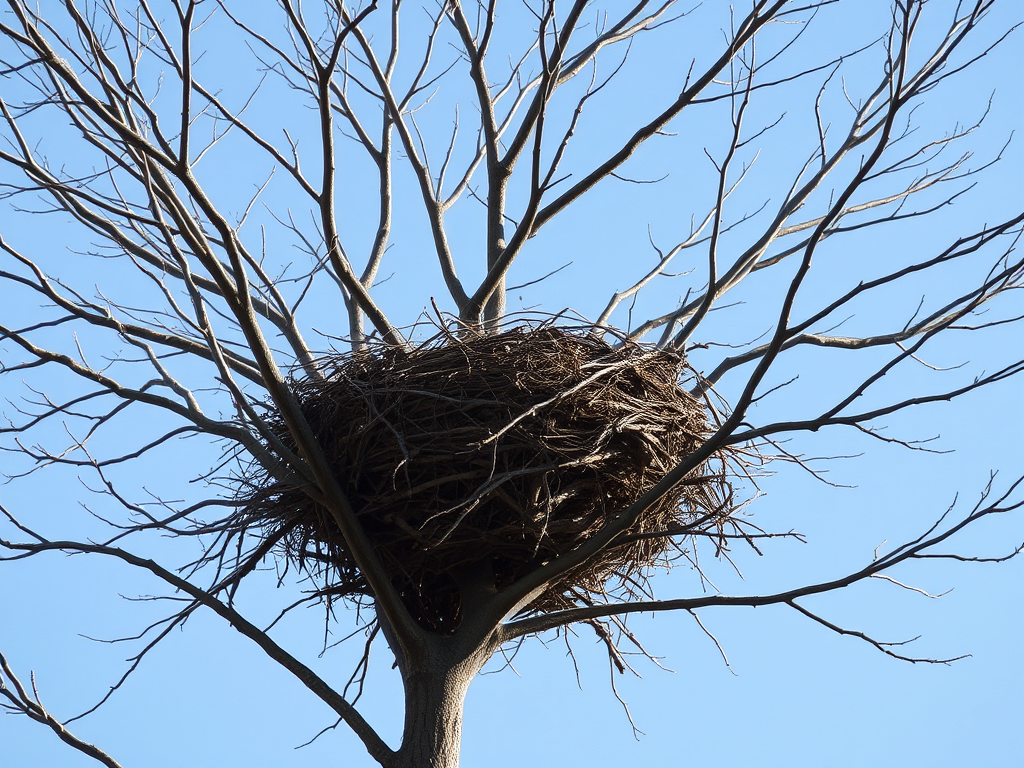
A barren tree stands tall and strong across the street.
I see it weekly on days I volunteer.
It’s naked limbs waving on windy days.
High up, in the crux where two branches meet,
sits a large, empty nest.  Too large for small Avian visitors.
Not a home for sparrows or finches, surely.
Built by crows or grackles or large jays, perhaps--
The nest sits, stable and empty,
as if a child took a large dark brown Sharpie
and drew a circular blob
when asked to draw a bird’s nest
on a page featuring an outline of a tree.

Its emptiness captures me.  Mirrors me.
It stood, providing shelter for the young
growing there.
Now, abandoned by the young
it once sheltered,
the adult birds, no longer of use,
have abandoned it as well--
Each having traveled on their way.
Yet the nest survives--
Empty,
except for the glue of memory
attaching it to the tree--
As I am emptied
of the young
I once sheltered.
The words, the words--
They rattle in my head,
louder than
the tail of a snake,
louder than
the breaking of stacked billiard balls,
louder than
the concussing jack hammer on a city street--
too much noise to hear distinctly
what must be written,
what must be said, screamed
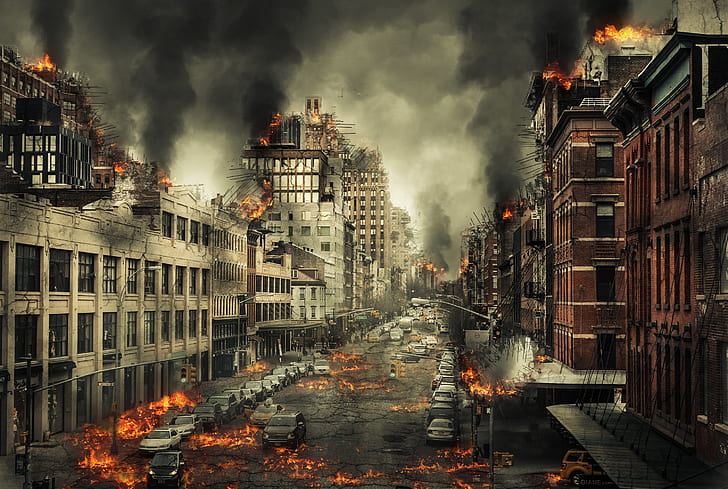
into the foul fiery smoke-filled air

One word, one.
Just one, larger than the others,
louder—
settles against my skin,
a lash of fiery noise,
burning, burning deep--
betrayal--
burning away tiny scars
of other betrayals
a lifetime ago

This wildfire of betrayal
burns away
soul held beliefs
of common good.
The captain of industry gleefully looks to history
As a populous forgets all the tales of prophecy
While writhing in the seduction of blame and lies.

Thus, all the best in humanity is left behind.
Firing squads, internment camps, and torture now promised.
Yes, the captain says to let the horsemen ride.

The angry populous forgets
The path of anger makes the “world blind.”
Yes, the captain says to let the horsemen ride.

The sun dons a robe of sackcloth, grieving.
The ocean’s rasping last breath,
As the moon’s face rained blood tears,
Turning rivers red.

Yes, the captain bellowed, “Let the horsemen ride.”
Fifteen minutes later, six bodies forgotten in the collected dust of memory upon the world.
Six souls passed away, imprisoned from the light of God. The sky shrinks away from the edge of earth as the six join 1139.
I did not know any of them. Not one soul. I did not have a friend, a neighbor, a brother, a sister, a father, a mother, a cousin, an aunt, an uncle, no son, no daughter among them. But I mourn them, as if I knew them, as if they were family. I feel the empty spot they left upon leaving the world.
You ask me why I feel their loss so… My answer—because I am human. In return, I ask…Why do you not feel it so?
No answers found in the mocking caw of crows who laugh at humanity.
“The pen is mightier than the sword,”
Bulwer-Lytton wrote long ago.

Words, with strength enough
to repel the bullets violently vomited
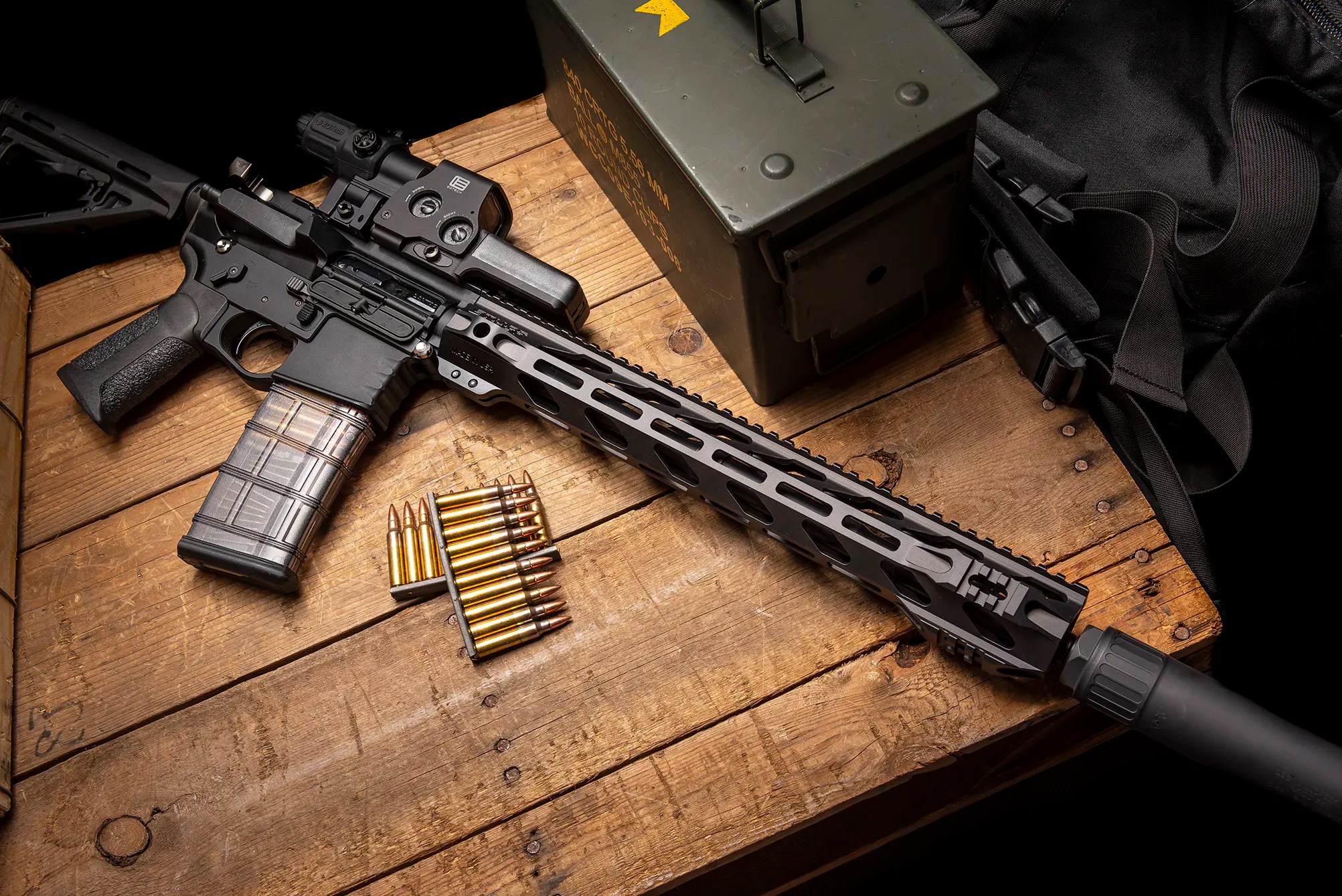
by rapid fire weapons of wars
not being fought on this soil, in this land,
in these schools,
abandon me.

My words have no power.
I cannot weave a bulletproof shield
of words to protect my grandchildren
from this earth they will inherit:
where four-year-old preschoolers
practice active shooter drills,
beginning their journey of learning
of how to live without innocence:
We created a skin of fear
into which they are born,
and now, we teach them to live
inside that skin of fear
with lockdown drills, metal detectors, and
lessons in barricading classroom doors,
as we wait for the hollowness
of thoughts and prayers
and good guys with guns
to save us all.

With what voices,
with what words
will we speak
in answer--
when our ghost children rise
to ask us why
we did not save them.
To participate in the Ragtag Daily Prompt, create a Pingback to your post, or copy and paste the link to your post into the comments. And while you’re there, why not check out some of the other posts too!
Showcasing the best of short films and screenplays from the LGBTQ+ community. Screenplay Winner every single month performed by professional actors. Film Festival occurs 21 times a year!