Letters To My Mother

Her Story About Voting and Hope
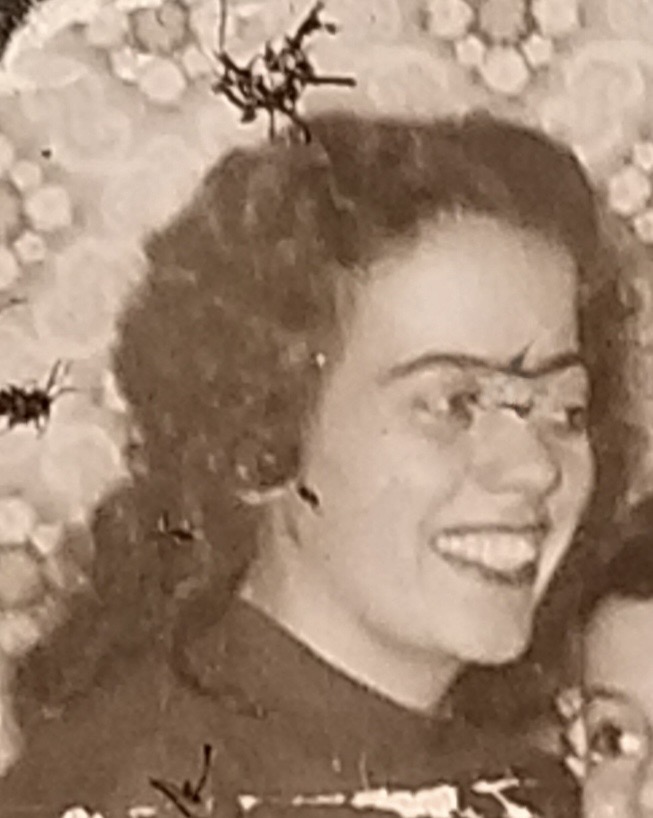
My mom

Dear Mom,

I want to preserve your stories. The stories you told of how you grew up in the poverty of West Virginia during the Great Depression. I want your granddaughter to know them, to absorb the wisdom they contain.

Since it is near a pivotal mid-term election, I am reminded of your story about importance of voting. I heard you tell this story so many times I memorized your words, and so I will let your words tell the story—

“It was early November. Don’t remember the date or day. I was about nine years old when it happened. Back up in the mountains, in the hollers*, people would to cook food for a family where someone was ill or if the woman had just had a baby, and the kids, like around my age then, we’d deliver it.

It was my mother’s turn to make a food bundle for a neighbor family in the holler. The woman had just given birth a little while ago but was suffering with sickness after. So that afternoon, my mother sent me up there with a pot and a bundle of food for the family. I had no trouble going down the road to deliver the food. But it seemed such a long way. It was already twilight by the time I got there to deliver the food.

So, on the way back, I decided going through the woods would be quicker. But I’d never been through the woods. I ended up getting all turned around and couldn’t find my way back to the road. By that time, it was pitch dark. I was so scared. I heard something that sounded like a big animal, a bear or something, so I climbed up a tree where I thought it would be safe. It was damn cold that night too.

I was scared. I was cold. I knew my mother was going to be pissed off. Early in the morning, it must have been just as it was getting light, I heard all these people calling for me. I could hear my father above all of the others. I shimmied down that tree so happy to be found. I yelled out. My father was the first to reach me. He scooped me up. My mother, she was lightening mad. She was rambling on about teaching me a lesson about not running off like that. She took out her little knife she always had in her apron pocket and cut a switch off a tree. She grabbed me from my father and said I needed a good whippin’. Now, my father, he usually let my mother do the disciplinin’ of us kids because he was always working in the mines or traveling to find work in other mines or farms. But not that day. He swept me up and grabbed my mother’s wrist as she started to drawback, and he said, ‘Renie, ain’t nobody gonna whip any of my kids today! Nobody! Even you, their Mama. Franklin Delano Roosevelt was elected our president yesterday, so today we’re gonna celebrate that because we got somethin’ to hope for.’ My mother dropped her switch and kept her head down as my father carried me home. The rest of the people took off to their homes.

And we did. We had hope. Took time but things started to get better little by little.”

Then we would watch the Watergate hearings and you would throw your house slipper at the 13-inch black and white television sitting on the kitchen buffet, ranting about how you couldn’t understand why people would vote for a crook like Nixon especially when Marylanders knew Agnew was a damn crook from the start and birds of a feather and all.

Your rant always ended with “that’s why you vote. Keep the crooks out. Get good people in who care about us. Not these guys who wanna line their pockets.” By then you may have knocked back a six pack, but there is no denying that you were right, Mom. You were absolutely right.

*holler- hollow, I know. But my mother and aunt always said holler so I use her words as this is her story.
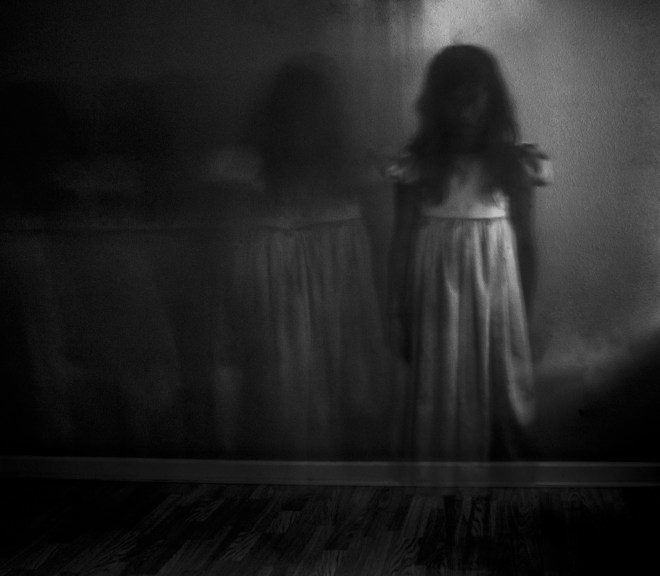
Accidental (Anastasia Part I)

(I originally wrote this several years ago, and it was published in my book, “The Gift of Mercy.” I’m drafting a second part to this piece and decided to reblog this as a starter.)

I entered life, an accidental tourist.

My mother’s body served an eviction notice,

but I ignored it and burrowed deeper

into placental warmth.

My twin, however, weaker,

entered the world a clotted, bloody,

gelatinous mess on the white tile

of a bathroom floor.

The doctor told the man,

who wasn’t really my father

but thought himself to be,

there was still a heartbeat,

still a baby left.

I felt the absence of my twin,

the lack of another’s heart

beating a rhythm to match my own,

racing toward emergence, light, life, breath.

A ghost like memory I carried with me

always— even when I, who survived

by claiming squatter’s right

to my mother’s uterus

as it tried to evict me

and who had never been told

of my twin’s existence, would

turn in childhood play and talk

to my twin sister.

My mother asking to whom I talked

and I answering in innocence—my twin sister.

Now, I recognize my mother’s twisting face

of guilt as she turned from my childhood answer:

the long walk from the restaurant’s apartment

to the stores on Broadway to buy school

supplies; the washing down of the restaurant

walls over and over again; the bed rest the doctor

said she needed when she was spotting, her body

threatening to throw out the babies she carried, ignored—

my twin and I, the children of another man,

we had to go.

But I clung, held on—born

the accidental tourist in life,

observing for my twin,

the twin I still feel.

sixty-one years later,

still listening for a heartbeat

in the same rhythm as my own.

My Mother’s Washboard

image from fineartamerica.com photo by H. Armstrong Roberts
The old washboard

stands in a five dollar flea market tub

with three faded, scratched up tall coke bottles,

a rusted plaid patterned lunch pail,

a red plastic mesh bag filled with used beach toys,

a broken hobby horse some kid rode once

while yelling, Hi, Ho, Silver! Away!


Among this disregarded dusty junk,

the old washboard looks fragile

as if the wood surrounding the corrugated steel

might fracture should a woman grasp it

intending to use it to scrub stains

from familial laundry

like my mother did with her’s.


I remember my mother’s washboard

standing in her soaking bucket,

filled with 20 Mule Team Borax, Biz, and hot water,

which stood in the concrete laundry tubs

in the basement of the house.


I remember how her knuckles turned red,

the skin raw looking, as she scrubbed blood

from a blouse, pouring salt from a Morton’s

salt container onto the stain then scrubbing

up and down, up and down on the washboard,

then dunking the blouse twice

to see if the stain was gone.

Pour, scrub, scrub, dunk, dunk

pour, scrub, scrub, dunk, dunk

pour, scrub, scrub, dunk, dunk

The pattern, the rhythm, until the stain erased.


I have no soaking bucket,

no Twenty Mule Team Borax, no Biz,

no washboard

to get my stains out.

My spray bottle of Oxi Clean Stain Remover

pales in memory

of my mother’s washboard.


Orchestra of Children

untitled

An orchestra of children
Provides a symphony.

The violin of a two-year-old
Sings the plaintive cries,
“Daddy, Daddy!”

The lone flute of a three-year-old
Soars above the din,
A painful wail,
“Mommy, Mommy.”

Then the scratchy oboe
Of perhaps a four-year-old,
Keening for an aunt to be allowed to come
And take him to her home to stay.

Next all the whimpers,
Sobbing, moans
Squalls, and laments
Of trumpets, tubas,
Violas, bass and all the rest
Join the cacophonous clamor
Of such a discordant melody,
Harmonious to the hardened of heart
Who give ear to this orchestra,
Deserving of nothing but the pain
Contained within the symphony
The progeny play,
As less than they.

Modern and Clean

Let’s play house

Without the home.


It’s all arranged so prettily

No mess, no fuss,

No dusty hairball under the couch

None of the huff and puff

To blow a life down


Just learn to float on the surface

No need to swim in the deep


Keep it all to memes

Or 30-second bleeps

Nothing more needed

With all things clean

History

history image

Spun out from the centrifuge
Twisted in helix meaning
Strands entwined, twisted back
Stretching toward history within heritage
Search through the montage of time
Sift through pounds of truth and lies
For a few ounces of purity
Measured out within the mess
The now was the past
Where to walk
We travel back
On twisted helix roads
To the selves we were
So very long ago
And learn
The future braided
In the past
With the now
And made us whole

Power Rises

The Lady went dark,

feeling the decline.

The dawn trembled,

as the power of the mother raised

a sisterhood united.


While the capricious one

and his band of merry fools

turned tiny hands

to the magician’s tools

of distraction and deflection,

whipping their devout disciples

to a rabid, foamy hate,

ready to trample their different siblings.


Thus, the mother within the sisterhood

and a faction of the brotherhood

joins them to rise,

persisting in resisting

to protect a nation

for the next generation.


Trash at the Curb

Trash by the curb
Cardboard boxes nested
One within the other
Standing upright, resting
Against the edge of the smallest,
An old collage Walmart picture frame,
Matting included,
Old photos still within the frame,
A wedding, a first baby then a second,
Graduations and first cars,
Pictures telling a story of a family,
Colors faded by the sun
Having spent years by a window

Words Fail


Feast on a meal of bitter herbs
As you sit in the old rocking chair
Witnessing eyes like your own
Staring at you with murderous hate
You cannot sit where once you rocked warm softness

You stand, pace a bit, perch on a stool
And think of all those years ago,
Had you known, had you known–
Smeared the lamb’s blood on the lintel
And waited in prayer
For the cloud of contagion to pass

Faith becomes a sour cup
From which to drink,
And the writer’s ink dries to dust
Upon the page,
Swept away
By the winds of age.